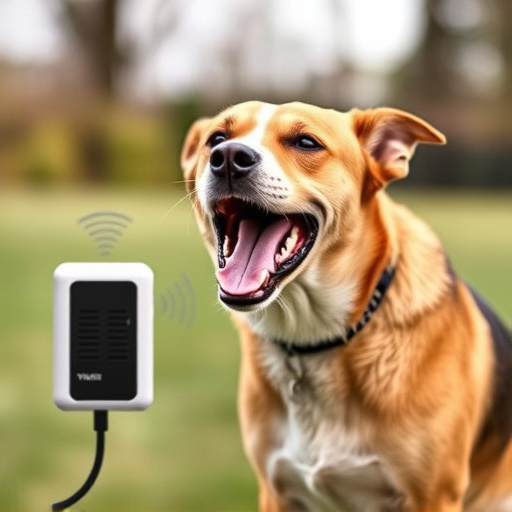
Sonic equipment leveraging high-frequency ultrasonic sounds offers a modern, effective solution for managing dog behavior in public spaces and neighborhoods. Users can adjust training levels based on scenarios, breed reactions, environment, and neighbors' sound tolerance. Starting at lower settings, gradually increasing intensity, conducting regular frequency tests, and ensuring safety through proper handling and maintenance are key practices. This method enables responsible canine population management while preserving a safe, harmonious environment.
Neighborhood dog control has evolved with the introduction of sonic equipment, offering a non-lethal approach to managing canine behavior. This article delves into understanding sonic technology and its effectiveness in training dogs by adjusting repellent training levels. We explore various factors influencing these adjustments, ensuring optimal results while adhering to best practices and safety precautions. By mastering these techniques, communities can achieve peaceful coexistence with their four-legged neighbors.
- Understanding Sonic Equipment for Dog Control: How It Works
- Adjusting Repellent Training Levels: Factors to Consider
- Best Practices and Safety Precautions for Effective Use
Understanding Sonic Equipment for Dog Control: How It Works
Sonic equipment for dog control is a modern approach to managing canine behavior in public spaces and residential neighborhoods. This technology utilizes high-frequency sound waves, often referred to as ultrasonic sounds, which are inaudible to humans but can be effectively deterrents for dogs. The principle behind it is simple: emit sounds that discomfort or startle dogs when they approach restricted areas, encouraging them to move elsewhere.
These systems allow for adjustable training levels, enabling users to customize the intensity of the sonic signal based on different scenarios and dog behaviors. By adjusting the repellent training levels, owners or community managers can effectively teach dogs what areas are off-limits without causing harm or distress. This technology is particularly useful in urban settings where traditional methods might not be as successful or in situations requiring a more subtle approach to canine training.
Adjusting Repellent Training Levels: Factors to Consider
When adjusting sonic repellent training levels, several factors come into play. The first is understanding the specific behavior you want to target. Different dogs react to high-frequency sounds differently; some may be startled, while others might remain indifferent. Therefore, the intensity and frequency of the sonic repellent should be tailored to the behavior and breed of the dog.
Environment also plays a crucial role. Outdoor settings require higher training levels due to potential distractions like background noise from traffic or other animals. In contrast, indoor spaces allow for more precise adjustments as external noises are typically minimal. Additionally, the proximity of neighbors and their tolerance for sound should be considered to ensure the sonic equipment operates within acceptable limits.
Best Practices and Safety Precautions for Effective Use
When utilizing neighborhood dog control sonic equipment, best practices and safety precautions are paramount for effective use. Adjusting the sonic repellent training levels is a critical first step. Start with lower settings to avoid startling or causing discomfort to both dogs and humans in the vicinity. Gradually increase the intensity as needed, based on observations of behavioral changes in the target animals. Regularly testing different frequencies ensures that the equipment remains effective over time, as dogs can become acclimated to specific sounds.
Safety is paramount, emphasizing responsible usage. Ensure the device is used only in designated areas to prevent unintended harm to wildlife or domestic pets not targeted for control. Users should also be trained on proper handling and operation to avoid accidents or injuries. Regular maintenance checks are essential to guarantee the equipment’s functionality and longevity, including keeping it clean and checking battery life. By adhering to these practices, communities can effectively manage canine populations while maintaining a safe and harmonious environment for all inhabitants.
Neighborhood dog control through sonic equipment offers a non-lethal, effective solution to manage canine behavior. By understanding how these devices work and adjusting the repellent training levels accordingly, residents can create a peaceful environment for all. Adhering to best practices and safety precautions ensures the successful and responsible use of sonic repelents, fostering harmonious coexistence between pets and their communities. Adjusting Sonic Repellent Training Levels is key to achieving positive results while minimizing any potential discomfort for both dogs and humans.